-
Member Login
- Home
- About
- Institute Groups
- Membership
- Events
- News & Publications
- Institute Programs
- Resources
- Jobs Board
- Contact Us
- Site Info

Webinar | Wildlife monitoring at Australia’s sub-Antarctic islands and the detection of Avian Influenza at Heard Island
Australia’s sub-Antarctic islands are among the most remote and extraordinary places on the planet, home to vast colonies of seabirds and seals, species found nowhere else, and ecosystems on the frontline of global environmental change. This webinar offers a rare look at how wildlife is monitored in these challenging environments, and how researchers are working to understand emerging threats such as highly pathogenic avian influenza at Heard Island.
About the Webinar
Wildlife populations are being impacted globally by a range of factors, including climate change and disease. Monitoring at breeding sites is important to identify trends in population sizes to understand the impact of threats and inform conservation and management actions. Australia has two sub-Antarctic island groups: Heard Island and McDonald Islands, and Macquarie Island. These islands and surrounding waters are home to over one million breeding seabirds and seals, some of which are found nowhere else on earth.
This webinar will explore the wildlife monitoring at these two islands and some of the work carried out to understand the impacts of HPAI at Heard Island.
Meet the Speaker
Dr Julie McInnes is a biologist who works predominantly on the ecology of Southern Ocean Ecosystems. Her work focuses on applied research leading to conservation and management outcomes for threatened species. She has been heavily involved in the development and implementation of wildlife monitoring programs around Australia, the Antarctic and sub- Antarctic. She is currently one of the project leads on the Heard Island and McDonald Island Seabird and Avian Influenza projects, as well as the long-term Macquarie Island Wildlife Monitoring Program.
This webinar will run on Australian Eastern Standard Time (AEST) for 1 hour and will be recorded. A link to the recording will be sent to all registered delegates in the days following the event.
Not an EIANZ member?
Consider joining as a student, associate or full member today! To receive the member rate for the webinar, make sure you apply for membership prior to registering. Join here →
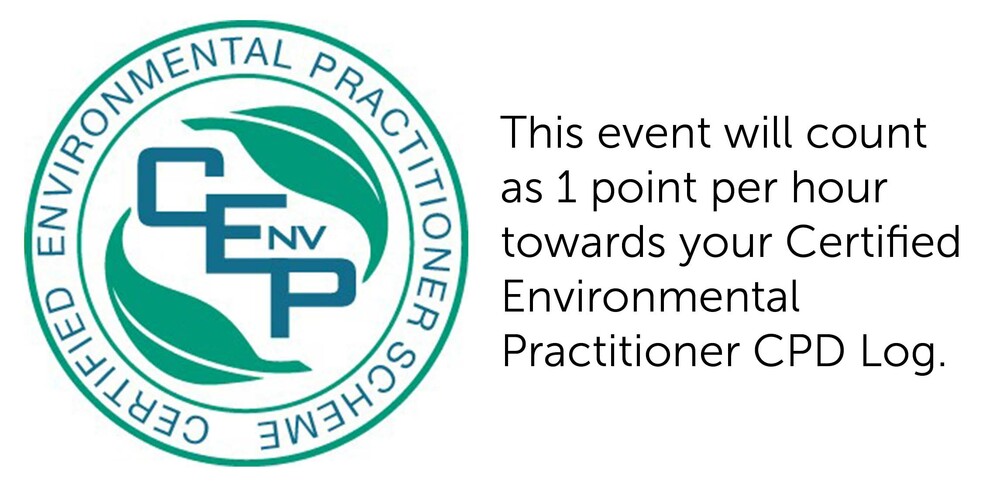
CPD Points
Event details
When:
30 July 2026
1:00 PM
- 2:00 PM
Where: Webinar
Cost: $10 for EIANZ members, $25 for non-members (AUD inc GST)
Contact: Registration and event enquiries to events@eianz.org or via phone on AU +61 3 8593 4142 | NZ +64 9887 6972
Register now and secure your attendance
Event date has passed
We acknowledge and value the rights and interests of Indigenous Peoples in the protection and management of environmental values through their involvement in decisions and processes, and the application of traditional Indigenous knowledge.