-
Member Login
- Home
- About
- Institute Groups
- Membership
- Events
- News & Publications
- Institute Programs
- Resources
- Jobs Board
- Contact Us
- Site Info

NELA Members | Draft Eligible Mining Activity Regulation
You are registering to attend this webinar as a NELA member.
Join this webinar for a deep dive into the proposed changes to the Eligible Mining Activity (EMA) Framework in Western Australia.
Recently, the Department of Energy, Mines, Industry Regulation and Safety (DEMIRS) introduced the EMA framework, a new form of authorisation as part of the Mining Amendment Act 2022. EMAs are designed for certain minimal disturbance and low impact activities which can be automatically authorised and does not require environmental assessment by an Environmental Officer.
DEMIRS has since revised the criteria for an EMA in its draft EMA Regulations, specifying permitted and prohibited activities, conditions and requirements under an EMA Notice and other critical aspects. The draft regulation is currently open for consultation.
This webinar, co-hosted by EIANZ and NELA, will delve into the potential impacts of these proposed changes on prospecting and exploration activities within the mining industry. Speakers for this webinar will provide an overview of the draft EMA Regulation, detail the prescribed conditions, and provide an analysis on the broader industry implications of the proposed regulation amendment. Come along to this insightful session to ensure you stay ahead in the evolving mining regulatory landscape.
Note this event will run off Australian Western Standard Time (AWST).
Meet the Speakers
Providing unique perspectives on the proposed regulatory changes, our guest speakers are:
Emily Cross | General Manager, Resource and Environmental Compliance Division, DEMIRS
Naomi Hutchings | Special Counsel, Herbert Smith Freehills
In partnership with:
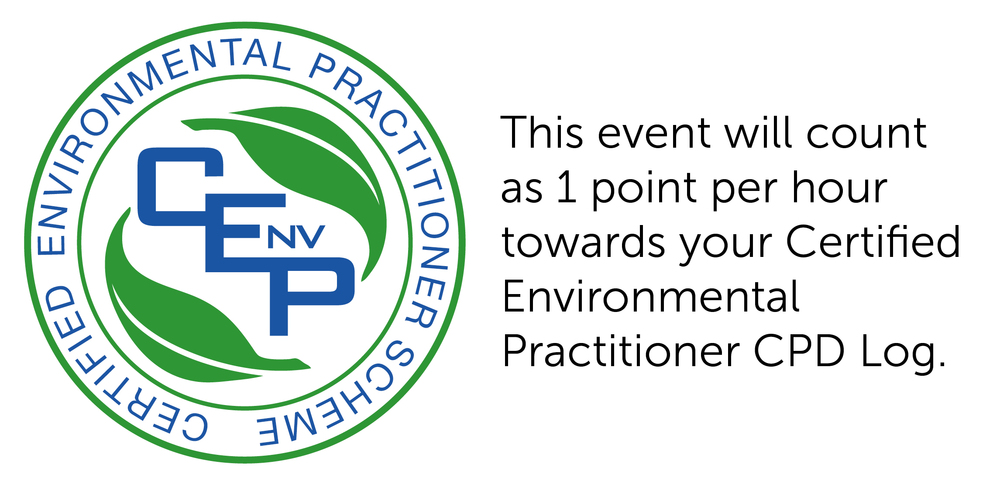
CPD Points:
Event details
When:
26 June 2024
12:00 PM
- 1:00 PM
Where: Webinar
Cost: Free for EIANZ and NELA Members | $5 for Non-members
Contact: EIANZ Central Office on +61 3 8593 4140 or office@eianz.org
Register now and secure your attendance
Event date has passed
We acknowledge and value the rights and interests of Indigenous Peoples in the protection and management of environmental values through their involvement in decisions and processes, and the application of traditional Indigenous knowledge.